







Mantecada is a soft, sweet baked treat with deep roots in Spanish and Latin American culinary traditions. Known for its rich flavor, fluffy texture, and simple ingredients, this pastry has become a beloved snack enjoyed with coffee, tea, or milk across many cultures.
Although its exact recipe can vary by region, mantecada is widely appreciated as a comforting, homemade-style cake that reflects traditional baking heritage.
What is Mantecada?
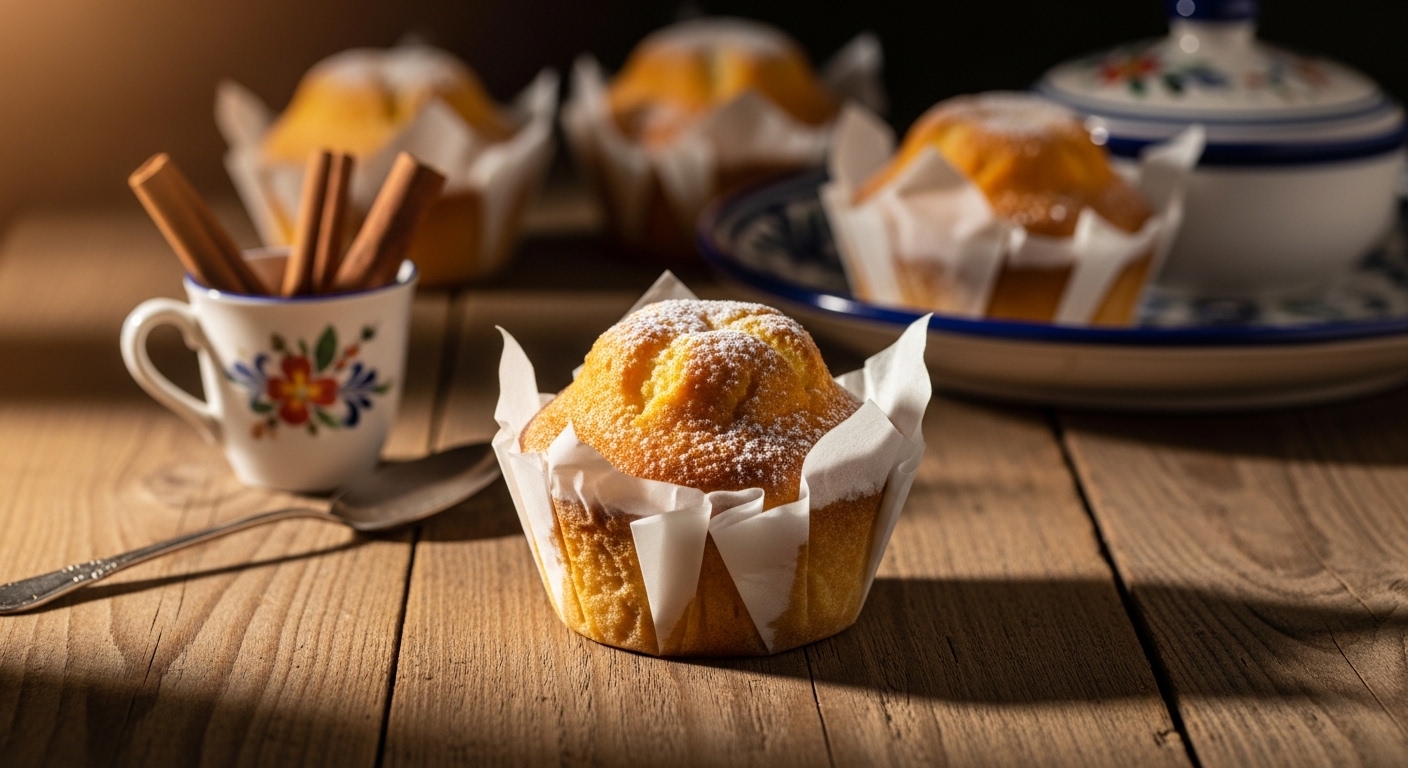
Mantecada is a small, buttery sponge cake made primarily from flour, sugar, eggs, and fat (traditionally lard or butter). The name comes from the Spanish word manteca, meaning “fat” or “lard,” which highlights its rich and tender texture.
It is commonly baked in small paper molds or muffin-like shapes, making it easy to serve as a snack or breakfast item.
Origin and Cultural Background
Mantecadas have strong historical ties to Spain, particularly regions known for traditional bakery goods. Over time, the recipe spread to Latin America through Spanish influence, where it evolved into different variations.
Today, mantecadas are especially popular in countries such as:
- Mexico
- Colombia
- Venezuela
- Spain
Each region has its own twist, but the essence remains the same: a soft, buttery, sweet bread-like cake.
Key Ingredients
While recipes may vary slightly, traditional mantecada typically includes:
- Flour
- Sugar
- Eggs
- Butter or lard
- Baking powder
- Vanilla or lemon zest for flavor
Some modern versions also include milk or yogurt for added softness.
How Mantecada is Made
The preparation process is simple and reflects traditional baking methods:
- Eggs and sugar are beaten until fluffy
- Fat (butter or lard) is mixed in for richness
- Flour and baking powder are gradually added
- The batter is poured into small molds
- It is baked until golden and soft
The result is a light, airy cake with a slightly crisp top and soft interior.
Texture and Flavor
Mantecadas are known for their:
- Soft, sponge-like texture
- Mild sweetness
- Buttery richness
- Light vanilla or citrus aroma
They are not overly sweet, which makes them perfect for pairing with beverages.
Popular Variations
Different regions have created unique versions of mantecada:
Mexican Mantecada
Often softer and slightly sweeter, sometimes topped with sugar or baked in paper cups.
Spanish Traditional Mantecada
Richer and denser, with a stronger buttery flavor.
Chocolate or Vanilla Variants
Modern bakeries sometimes add cocoa or extra vanilla for flavor diversity.
How Mantecada is Enjoyed
Mantecadas are versatile and commonly eaten:
- With morning coffee
- As an afternoon snack
- With hot chocolate or milk
- As a light dessert after meals
Their simplicity makes them suitable for everyday consumption.
Nutritional Overview
Mantecadas are an energy-rich snack due to their ingredients:
- High in carbohydrates (flour and sugar)
- Moderate fat content (butter or lard)
- Contains protein from eggs
They are best enjoyed in moderation as part of a balanced diet.
Advantages of Mantecada
- Easy to prepare with basic ingredients
- Long-standing cultural tradition
- Soft texture suitable for all ages
- Pairs well with many beverages
- Widely available in bakeries
Modern Popularity
Today, mantecadas remain popular not only in traditional bakeries but also in packaged forms found in supermarkets. Industrial versions maintain the classic taste while offering longer shelf life.
Brands like Bimbo have helped popularize packaged mantecadas across Latin America and beyond.
Conclusion
Mantecada is more than just a sweet treat—it is a reflection of culinary tradition passed down through generations. With its simple ingredients and comforting taste, it continues to be a favorite snack in Spanish and Latin American cultures.
Whether homemade or store-bought, mantecadas remain a timeless pastry that brings warmth and nostalgia with every bite.
FAQ’s
1. What is mantecada made of?
It is made from flour, sugar, eggs, and butter or lard.
2. Is mantecada the same as a cupcake?
Not exactly—mantecadas are less sweet and have a denser, buttery texture.
3. Where did mantecada originate?
It originated in Spain and later spread to Latin America.
4. Can mantecada be flavored?
Yes, variations include vanilla, chocolate, and citrus flavors.
5. How is mantecada usually eaten?
It is commonly eaten with coffee, tea, or milk as a snack or breakfast item.