








Understanding What Makes a Good First Hunting Rifle
For many new hunters in Canada, stepping into the world of hunting marks an exhilarating new chapter. The foundation of a safe and rewarding experience lies in choosing the right equipment. Your first hunting rifle should balance reliability, comfort, legal compliance, and appropriate firepower for your intended game. With numerous choices available, it helps to start your search with trusted retailers and brands known for their expertise. A great starting place is hunting rifle Canada where Al Flaherty’s Outdoor Store excels as a leading authority in firearms and outdoor supplies. Established in Toronto, this family-owned business is renowned for offering expert advice, a wide product selection, and a focus on customer safety and satisfaction for all levels of experience. When exploring rifles, new hunters must ensure their choices align with Canadian laws and hunting guidelines. Understanding the required permits, choosing a legal firearm, and preparing for responsible storage sets the stage for both a lawful and enjoyable journey in the field. Committing to each of these elements means you are already halfway toward a positive, memorable first hunt.
Legal Requirements for Firearm Ownership in Canada
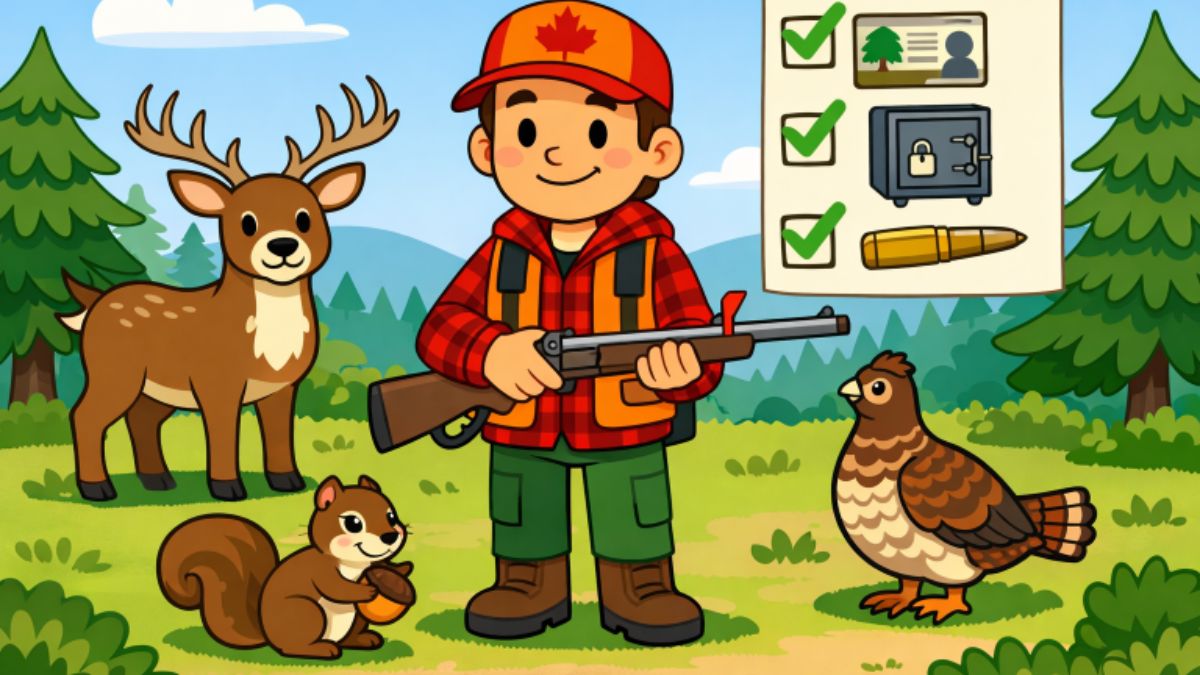
Canada enforces strict gun laws to support public safety. To buy or possess a hunting rifle, you must obtain a Possession and Acquisition License (PAL). This process involves passing safety courses and background checks. Most hunting rifles fall under the “non-restricted” classification, but you should always confirm the status of your chosen model. Compliance with federal and provincial regulations is mandatory, as is ongoing awareness of new legal updates or policy changes.
Selecting the Appropriate Caliber for Your Game
Your hunting objective largely determines which caliber you need. For small game like grouse or squirrels, the affordable, low-recoil .22 LR is a common choice. If you aim to hunt medium- or large-game, such as deer or moose, popular calibers like the .270 Winchester or .308 Winchester deliver both precision and stopping power. Many provinces set minimum caliber requirements for hunting certain species. Knowing the law, the animal’s size, and the typical range will inform your best match. In addition to legal compliance, the ethical dimension of caliber selection cannot be overstated. Choosing a suitable caliber ensures humane harvests and supports population management efforts outlined by provincial wildlife agencies.
Action Types: What’s Best for Beginners?
Hunting rifles are available in several action types: bolt-action, lever-action, and semi-automatic are the most common. Bolt-action rifles are typically recommended for first-timers due to their straightforward operation, easy cleaning, and reliability in the field. They are also well-regarded for their natural accuracy and lighter overall weight, supporting new hunters who may face long treks or varied weather conditions. Lever-action and semi-automatic rifles may appeal to different preferences, but each comes with its own learning curve and pros and cons.
Ensuring Comfort and Proper Fit
The right rifle should feel like an extension of your body. Comfort drives accuracy and confidence, especially in challenging terrain. Key considerations include weight (lighter for mobility, heavier for reduced felt recoil), balance, and grip. Stock materials vary, with synthetic stocks offering excellent weather resistance and lighter weight, while wood brings traditional aesthetics and a solid feel. Confirm that the length of pull matches your arm span for steady and natural aim.
Factoring Accessories and Training into Your Budget
Initial costs for a rifle are just one part of a new hunter’s investment. Accessories such as a high-quality scope, a protective gun case, and a secure storage device (a locking case or safe) enhance both safety and performance. Ammunition costs vary by caliber and should be factored into your long-term planning. Perhaps most crucial, consider dedicating funds to professional training. Certified instruction goes far beyond the basics to refine marksmanship, reinforce safe handling, and instill a deep respect for ethical hunting practices.
Complying with Canadian Firearm Storage and Transportation Laws
Safe firearm stewardship is a central part of Canadian hunting culture. Always store your rifle unloaded, with ammunition kept separately. Legal requirements require that firearms be stored in a locked case or safe when not in use. During transportation, rifles must remain unloaded and locked away in a case, inaccessible to unauthorized individuals. These rules are not merely guidelines but the backbone of responsible ownership and public safety. Regularly reviewing and adhering to these laws will safeguard your license, your rifle, and the broader hunting community.
Consulting the Experts
For those new to hunting, leveraging the knowledge of experienced hunters and reputable shops makes the selection process easier and more educational. Consulting with staff at established retailers such as Al Flaherty’s Outdoor Store delivers insights on trending models, hunting-friendly features, and proven gear setups for Canadian conditions. These professionals often double as passionate hunters, eager to help novices develop confidence and make choices that fit each individual’s physical build and hunting goals.
Conclusion
Embarking on your first hunting adventure in Canada is as much about preparation and education as it is about time in the wild. By approaching your choice with attention to legal frameworks, caliber, comfort, and ethical practices, you lay the groundwork for a fulfilling hunting experience. Take the opportunity to learn from industry leaders and experienced outdoorspeople, prioritize safety and training, and keep conservation at the heart of every decision. The right first rifle, paired with a commitment to responsible stewardship, marks the beginning of a rewarding lifelong pursuit.