








Aerospace fittings play a vital role in the structure and function of modern aircraft. These components, ranging from connectors in hydraulic lines to advanced fasteners in control systems, maintain the integrity of essential systems and contribute directly to flight safety and operational efficiency. Sourcing these components from top fastener distributors ensures that engineers and technicians have access to fittings that meet the strictest quality and regulatory standards required in the aerospace industry.
A key aspect of aerospace engineering is the need for reliability under extreme conditions, such as rapid temperature changes, high pressure, and sustained vibrations during flight. The critical placement of fittings throughout an aircraft, often in hard-to-access or sensitive systems, means any failure can have catastrophic consequences. Ensuring high performance and secure integration of these components is an ongoing priority for both manufacturers and maintenance professionals. Modern aviation depends on the seamless collaboration between design, materials science, and installation practices. The demands of lighter, more efficient aircraft have pushed manufacturers to innovate rapidly, leading to increasingly advanced fittings tailored to specific operational environments. This trend not only boosts safety and fuel efficiency but also extends the lifespan of critical aerospace systems. From commercial aviation to cutting-edge defense programs, aerospace fittings form the backbone of a wide range of fluid, structural, and electrical systems. Their strategic applications support ongoing advancements across the industry.
The Role of Aerospace Fittings in Flight Safety
Aerospace fittings are essential for connecting critical systems, such as hydraulics, fuel, and air distribution, across the airframe. Their proper selection and installation ensure airtight or pressure-tight seals, which are imperative in high-altitude and high-speed flight. Even minor issues with these components, such as leaks or material fatigue, can lead to widespread system malfunctions. Rigorous standards and repeated quality checks are built into the manufacture and installation of such fittings, directly supporting the safety margins required for every flight. For further insights into current trends and challenges in aerospace engineering, visit the Aerospace Industries Association news.
Key Types of Fittings and Their Applications
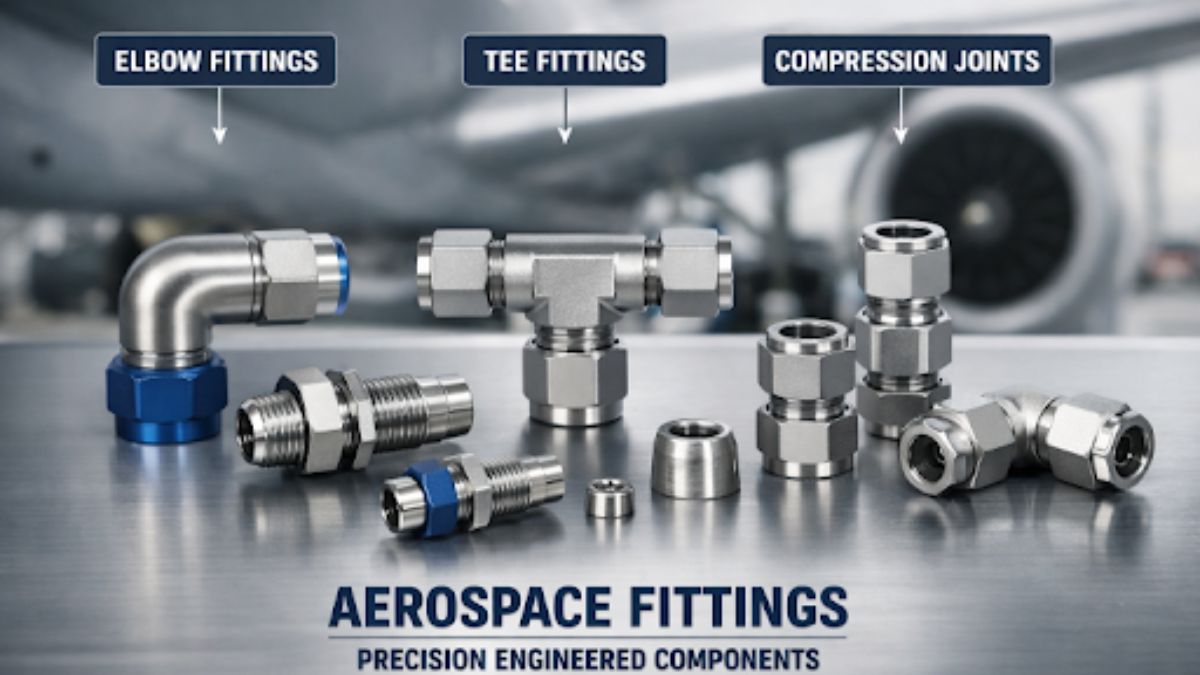
The sheer variety of aerospace fittings allows engineers to address specialized applications. Some of the most common fittings include:
- Elbows: Used to route fluid or gas lines around corners with minimal disruption or turbulence to flow.
- Tees: Allow for branching off from main lines, supporting complex distribution systems in fuel or hydraulics.
- Unions: Enable quick, reliable connections and disconnections, facilitating regular maintenance and system upgrades.
- Compression Fittings: Create durable, leak-proof seals perfect for high-pressure environments, including critical hydraulic and fuel lines.
Each fitting is tailored to the operational context, accounting for the stresses, thermal expansion, and chemical resistance required by the system’s environment. The discipline behind selecting the appropriate fitting reduces the risk of system failures and optimizes ongoing maintenance schedules.
Material Innovations for Reliability
Recent advances in metallurgy and manufacturing have revolutionized the design of aerospace fittings. Traditionally, robust metals such as stainless steel were the norm. However, the emergence of titanium and high-strength aluminum alloys has enabled manufacturers to reduce component weight while retaining or enhancing mechanical properties substantially. Titanium, for instance, offers an outstanding strength-to-weight ratio and strong resistance to both corrosion and fatigue, hallmarks vital to aerospace performance.
Quality Assurance and Testing Protocols
The assurance of safety and fitness for purpose is fundamental in aerospace fittings. The standard for quality includes performing pressure cycling (to mimic repeated takeoffs and landings), thermal shock tests (exposing fittings to rapid temperature fluctuations), and vibration simulations. Compliance with internationally recognized standards, such as those set by SAE and ISO, ensures that all fittings deployed in aerospace systems meet the demands of high-performance flight conditions.
Installation Best Practices for Optimal Performance
Precision in installation plays a determining role in the long-term reliability of aerospace fittings. Following best practices, such as always using new seals and gaskets, applying precise torque settings, and thoroughly testing for leaks, reduces the risk of early-life failures. Technicians are encouraged to document every maintenance activity in full and to adhere to the protocols established by regulatory agencies. Regular skills updates and engagement with new-fitting technologies are equally important for maintaining technical excellence.
Regulations and Industry Standards Shaping Aerospace Fittings
Aerospace fittings are governed by rigorous standards set by regulatory authorities like the FAA and EASA. These rules encompass everything from material traceability and part marking to pressure test documentation and lifecycle recordkeeping. Compliance is vital, not just for safety but also for retaining operational certificates and insurance. Effective knowledge of evolving regulations is a necessary part of the aerospace engineering toolkit, which professionals can further explore through resources.
Emerging Technologies and Future Trends
Additive manufacturing, often called 3D printing, is transforming the world of aerospace fittings. With this technology, engineers can design and produce intricate, weight-saving parts that traditional subtractive methods cannot achieve. Additive manufacturing consolidates what used to be assemblies of multiple components into single, robust pieces, improving strength and reducing failure points. As digital design advances, the integration of sensors and embedded diagnostics into fittings is also growing, promising smarter, self-monitoring components for the aircraft of tomorrow.
Practical Tips for Engineers and Technicians
- Evaluate fittings with reference to their operating environments: pressure, temperature, and vibration levels are decisive factors.
- Meticulously maintain records of all installations and repairs to streamline compliance and auditing.
- Participate in regular certified training to keep pace with rapid innovations in materials and installation procedures.
- Explore adopting digital monitoring and advanced manufacturing methods for applications with especially severe requirements.
By placing a premium on quality, innovation, and training, aerospace professionals can ensure systems not only meet but exceed current standards, contributing to safer and more efficient flight worldwide.
Conclusion
Aerospace fittings remain a fundamental element in ensuring the safety, reliability, and efficiency of modern aircraft systems. Their role in maintaining secure connections across critical components, such as fuel, hydraulic, and air systems, makes them indispensable to overall flight performance. As materials and manufacturing techniques continue to advance, these fittings are becoming lighter, stronger, and better able to withstand extreme operating conditions. At the same time, emerging technologies like additive manufacturing are reshaping how aerospace components are designed and produced, enabling greater precision, reduced weight, and improved system integration. Combined with strict adherence to industry standards, rigorous testing, and proper installation practices, these innovations ensure that aerospace fittings will continue to support the next generation of aviation. Ultimately, their ongoing development reflects the industry’s commitment to safety, efficiency, and continuous technological progress.