








The Historical Significance of Kaleidoscopes
Though often associated with playful afternoons and nostalgic memories, kaleidoscopes hold a much deeper place in both history and culture. Invented in 1816 by Scottish scientist David Brewster, these optical devices quickly transcended their scientific origins to become objects of fascination and intrigue worldwide. During the Victorian era, kaleidoscopes were prized as much for their technological innovation as for their artistic merit, gracing parlors as tokens of refinement and intellectual curiosity. For those looking to appreciate the modern interpretations of these instruments, luxury kaleidoscopes offer stunning examples of how far the craft has evolved.
In addition to being a form of sophisticated entertainment, kaleidoscopes demonstrated the convergence of science and art. Their presence at salons and exhibitions mirrored a growing societal appreciation for optical science and complex design. Far from being dismissed as toys, these objects spurred discussions about light, perspective, and human perception in both elite social circles and popular gatherings.
The Science Behind the Beauty
The magic behind the kaleidoscope lies in optics and geometry. Inside every kaleidoscope, mirrors are set at precise angles to reflect light and create endlessly shifting symmetrical patterns. Simple beads, colored glass, or even flowers transform into intricate mosaics through the science of reflection. By turning the tube and viewing the evolving images, users receive an interactive lesson on how light and symmetry combine to create beauty. This visual phenomenon not only entertains but also helps deepen our understanding of human vision and the foundational principles of physics.
Educational Applications in Modern Curricula
Educators have embraced kaleidoscopes as a creative and effective tool for teaching STEM and visual arts concepts. In science classes, students explore the principles of light behavior, reflection, and geometric symmetry in a hands-on manner, making intricate theories more approachable and engaging. Art instructors use kaleidoscopes to encourage creativity and pattern recognition, helping learners of all ages see connections between math and design. Many schools have found that building their own kaleidoscopes is an especially immersive activity that introduces practical skills alongside scientific inquiry. Often, these creative projects inspire critical thinking and collaborative teamwork.
Therapeutic Uses in Mental Health
Kaleidoscopes have also proven valuable beyond the classroom. Their calming, repetitive visuals are beneficial in therapeutic and mindfulness settings. Many therapists recommend using a kaleidoscope to help individuals manage anxiety, improve concentration, or achieve a meditative state. The soothing patterns and the simple act of focusing attention can be remarkably effective for promoting relaxation and mental clarity. According to research on mindfulness practices, such visual aids can support various therapeutic approaches and enhance overall well-being.
Artistic Expression and Collectibility
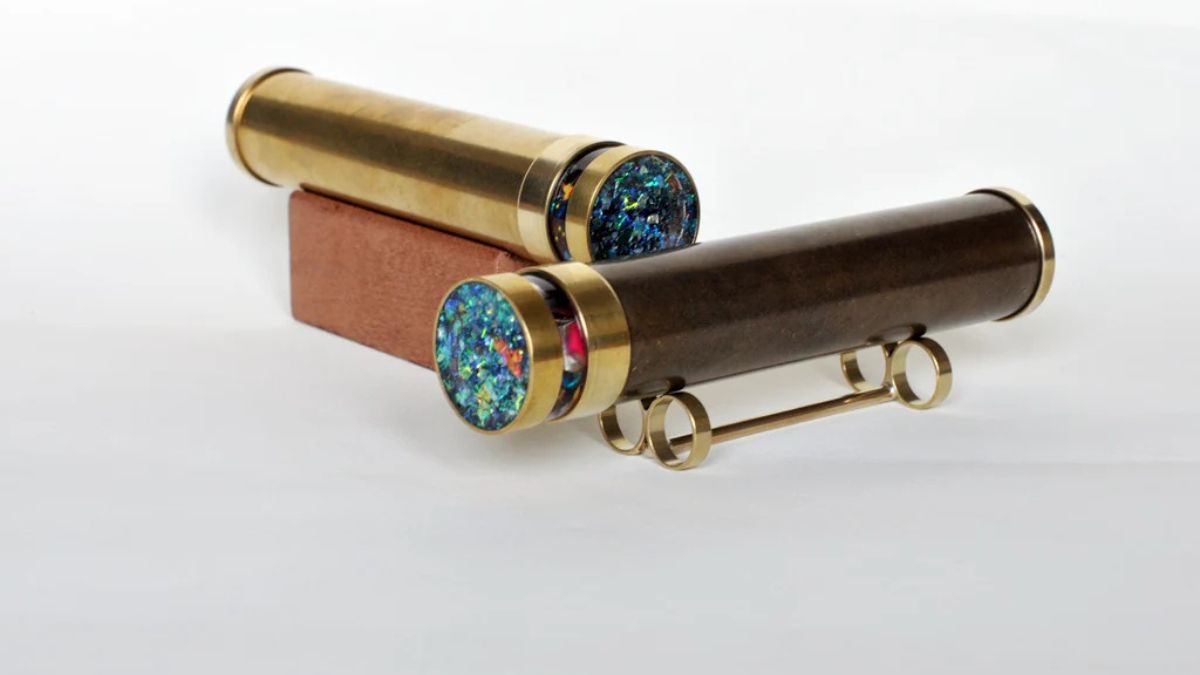
Far from being limited to mass-produced toys, today’s kaleidoscopes can be exquisite works of art. Artists and craftspeople use materials such as stained glass, ceramics, and even gemstones to create unique, handcrafted kaleidoscopes that appeal to collectors worldwide. These deluxe models are celebrated for their intricate craftsmanship and aesthetic beauty, attracting the attention of galleries, collectors, and museum exhibitions. Their collectibility reflects the ongoing fascination with the interplay of form, color, and optical illusion in artistic expression.
Market Growth and Economic Impact
The market for kaleidoscopes is expanding globally, a testament to their enduring appeal and versatility. Current projections suggest that the global kaleidoscope market will surpass USD 0.32 billion by 2032. This growth is fueled by increased demand in educational, therapeutic, and luxury segments. The Asia-Pacific region is particularly prominent in this expansion, driven by rising interest in both digital and handcrafted versions. As the appreciation for artisanal craftsmanship increases, more designers and artisans are creating kaleidoscopes for discerning buyers who value unique, thoughtfully crafted items. The global marketplace often highlights the innovation and artistic originality of prominent creators.
Environmental Considerations and Sustainability
Sustainability is becoming a priority across all consumer sectors, and kaleidoscope production is no exception. Forward-thinking manufacturers are adopting eco-friendly practices, using recycled glass, sustainably sourced wood, and other natural materials to produce both educational and high-end models. This shift reflects broader consumer concerns about environmental impact and aligns with a global trend toward sustainable toys and learning tools. Buyers are increasingly choosing environmentally friendly options that merge responsible consumption with creative play and learning.
Final Thoughts
Kaleidoscopes are far more than nostalgic novelties or simple toys. Their enduring popularity stems from a unique blend of science, art, education, and therapy, each facet contributing to their rich heritage and modern relevance. Whether cherished as personal collectibles, used as educational tools, or valued for their therapeutic benefits, kaleidoscopes continue to inspire curiosity, learning, and delight in individuals of all ages. Ultimately, these beautiful devices symbolize a worldwide appreciation for wonder, imagination, and creative innovation.