









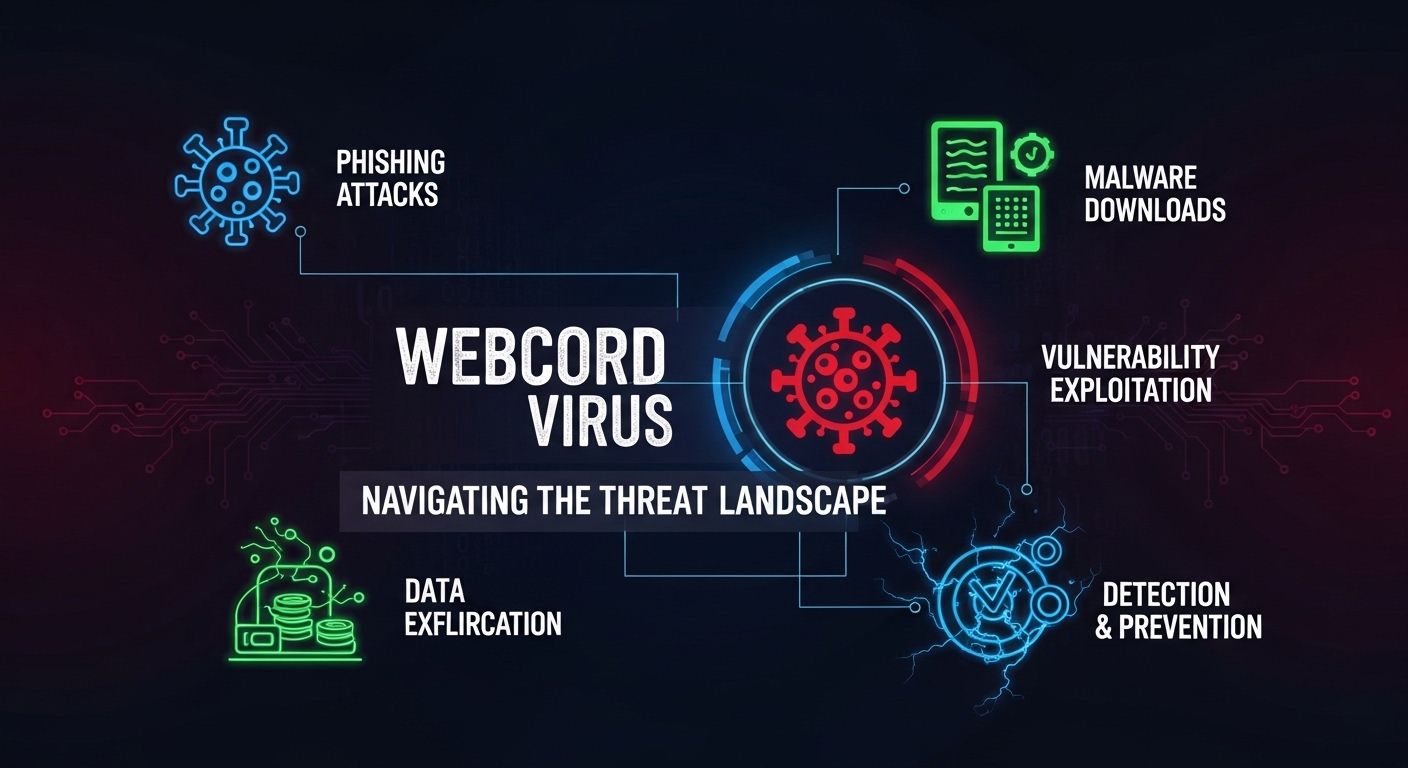
In today’s connected digital world, cybersecurity threats continue to evolve, affecting individuals and organizations alike. The term Webcord Virus has surfaced in discussions related to potential malicious software associated with unofficial applications or modified communication tools. Understanding what the Webcord Virus refers to and how to stay protected is essential for maintaining online safety.
What Is the Webcord Virus?
The Webcord Virus generally refers to suspected malware risks connected with unofficial or modified versions of communication clients. These types of threats may disguise themselves as helpful utilities, plugins, or alternative apps but can potentially compromise system security.
Such threats may attempt to:
- Access personal data
- Monitor user activity
- Install additional malicious software
- Modify system settings
- Display unwanted advertisements
Not every third-party tool is harmful, but downloading software from untrusted sources increases the risk.
How the Webcord Virus May Spread
Cyber threats like the Webcord Virus often spread through:
- Unofficial download websites
- Modified application packages
- Suspicious links shared online
- Fake updates
- Email attachments from unknown senders
Users should be cautious when installing software that is not from official sources.
Potential Symptoms of Infection
A device affected by malware similar to the Webcord Virus may show:
- Slower system performance
- Unexpected pop-up ads
- Unknown applications installed
- Changes to browser settings
- Increased data usage
- Security warnings from antivirus tools
These signs do not always confirm infection but should prompt further checks.
Why the Webcord Virus Is Concerning
Privacy Risks
Malware may collect sensitive information such as login credentials or browsing habits.
System Stability Issues
Malicious software can interfere with normal system operations.
Data Security Threats
Unauthorized access to files may lead to data loss or compromise.
Network Vulnerability
Infected devices may expose connected networks to additional threats.
How to Protect Yourself
To reduce the risk of malware like the Webcord Virus:
- Download software only from official websites
- Avoid suspicious links and attachments
- Keep your operating system updated
- Use reputable antivirus software
- Enable firewall protection
- Scan files before installing
These preventive measures significantly improve security.
Steps to Take If You Suspect Infection
- Disconnect from the internet
- Run a full antivirus scan
- Remove suspicious programs
- Update security software
- Reset browser settings
- Change important passwords
Taking quick action helps minimize potential damage.
Safe Software Practices
Good cybersecurity habits include:
- Verifying developer credibility
- Reading user reviews
- Checking digital signatures
- Avoiding cracked or pirated software
- Regularly updating applications
These practices reduce exposure to threats.
The Importance of Cybersecurity Awareness
As digital tools expand, users must remain vigilant. Threats like the Webcord Virus highlight the importance of:
- Understanding software sources
- Recognizing phishing attempts
- Maintaining updated systems
- Using strong passwords
- Practicing cautious browsing
Awareness is one of the most effective defenses.
Conclusion
The Webcord Virus represents a potential cybersecurity threat linked to unofficial software and unsafe downloads. While not every third-party application is harmful, users should prioritize security by installing trusted software, keeping systems updated, and using protective tools. By staying informed and cautious, individuals can safely navigate the evolving threat landscape and protect their digital environments.
Frequently Asked Questions (FAQ’s)
What is the Webcord Virus?
It refers to suspected malware associated with unofficial software or modified applications.
Is Webcord always a virus?
Not necessarily, but unofficial downloads may pose security risks.
How does the Webcord Viru’s spread?
Through untrusted downloads, suspicious links, and fake updates.
What are common symptoms of infection?
Slow performance, pop-ups, and unknown apps.
Can antivirus software detect it?
Yes, reputable antivirus tools can often identify malicious files.
How can I avoid the Webcord Virus?
Download software from official sources and avoid suspicious links.
What should I do if infected?
Run antivirus scans and remove suspicious programs.
Does it steal personal data?
Some malware variants may attempt to collect data.
Is it dangerous for networks?
Yes, infected devices can affect connected networks.
Is prevention possible?
Yes, by practicing safe browsing and installing trusted software.