









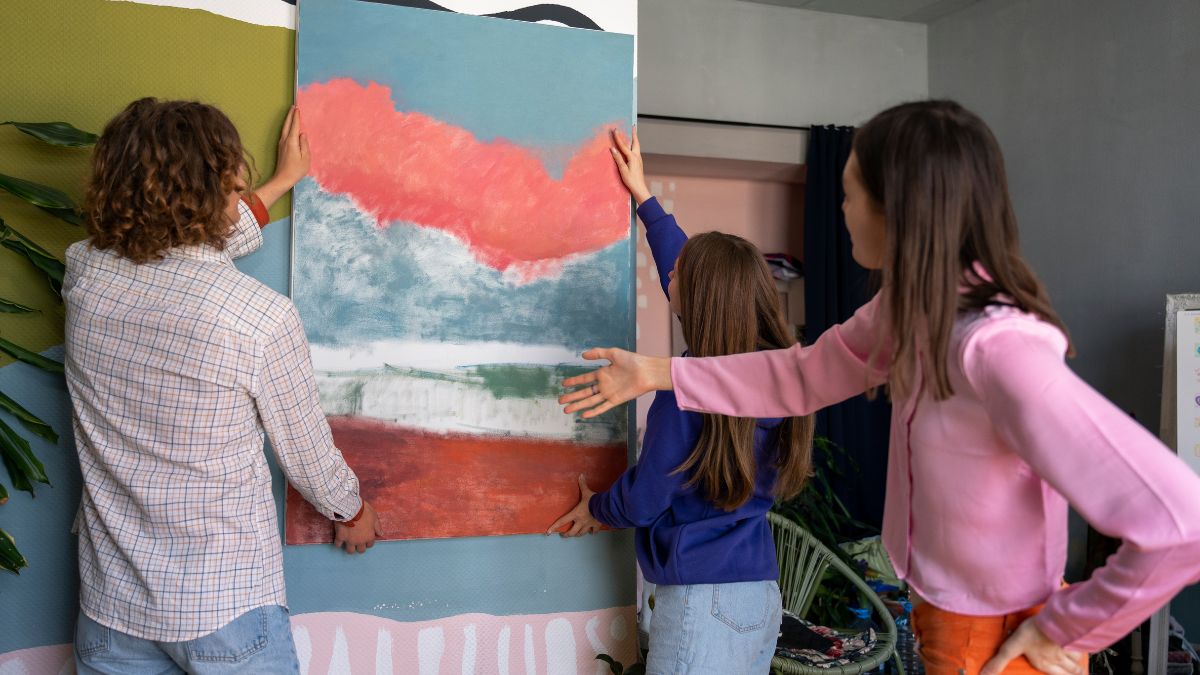
Art galleries hold a distinguished place in the heart of community life, serving as dynamic venues for cultural celebration, conversation, and creative engagement. More than simply exhibiting artworks, these spaces offer a platform for audiences to interact with local culture, sparking curiosity and building lasting relationships. If you are wondering, can I buy prints of Sandy Wahl’s paintings Allegheny County, art galleries often supply such opportunities, bridging the gap between creators and collectors.
By making art accessible and welcoming, galleries turn outings into inspiring, connected experiences. Through events, talks, and exhibitions, they foster learning, appreciation, and dialogue for visitors of all backgrounds, nurturing community bonds. In regions where community shapes identity, galleries are more than viewing spaces; they are places to create memories, celebrate creativity, and support local artists. This engagement extends beyond galleries, positively impacting local economies, education, and tourism, highlighting their vital role in community life.
Art Galleries as Community Hubs
Art galleries foster community by providing relaxed spaces for interaction, where visitors explore exhibitions, attend artist receptions, and join tours that encourage casual and deep engagement with art. In smaller towns, galleries serve as meeting places, strengthening communal bonds. Events like open houses, interactive installations, and themed gatherings break social barriers, inviting participation from all, and nurturing cultural curiosity and friendships.
Supporting Local Artists
Local artists are the backbone of any thriving art scene, and galleries play a pivotal role in promoting and supporting their work. Through dedicated exhibitions, artist residencies, and sales opportunities, galleries help artists gain financial stability while strengthening a region’s cultural identity. The visibility that galleries provide not only boosts individual artists’ careers but also raises public awareness about the diversity and richness of local talent.
This investment in local creatives promotes community pride, builds artistic networks, and encourages young people to pursue careers in the arts. By elevating the profiles and stories of regional artists, galleries become essential in shaping both the present and future of local culture.
Economic Impact of Art Galleries
Beyond cultural enrichment, art galleries are vital for economic activity. They host exhibits and events that attract visitors, boosting foot traffic for local businesses such as cafés and shops. A New York Times article notes that incorporating artistic spaces into urban development can transform underused areas into thriving hubs of commerce and culture. Developers and leaders see that adding galleries boosts property values and appeal, attracting art lovers and fostering long-term growth through tourism and community enhancement.
Educational Programs and Workshops
Galleries often partner with local schools, universities, and educational organizations to provide art education that is accessible to all. Through workshops, guided tours, artist talks, and children’s programs, galleries play an instrumental role in cultivating art appreciation from an early age. This outreach ensures that community members of any age or background have opportunities to deepen their understanding of visual culture.
The educational content delivered by galleries is not just about technique, but also about storytelling, history, and contextual analysis, offering visitors the tools to interpret and enjoy art on their own terms. Programs are designed to be inclusive, nurturing not only future artists but also well-informed, enthusiastic audiences.
Building Cultural Bridges
One of the most profound effects of an art gallery is its potential to serve as a bridge between different communities, generations, and cultural backgrounds. Exhibitions are often curated to reflect the diversity of society, showcasing works that highlight unique perspectives or celebrate shared values. These efforts create conversations that transcend differences and foster a sense of common purpose.
Galleries also champion inclusivity by providing a neutral, welcoming environment where everyone can engage with art free from prejudice. Such spaces encourage visitors to learn from one another, gain fresh insights, and develop empathy, a crucial factor in building strong, cohesive communities.
Innovative Engagement Strategies
To stay relevant and attract a broader audience, galleries experiment with creative programming, such as yoga sessions, tattoo pop-ups, and hands-on art activities that encourage interaction. These innovations transform galleries from passive displays into collaborative, experimental, and fun spaces. Interactive installations, AR tours, and immersive experiences help make art more accessible and engaging. By constantly introducing new offerings, galleries ensure there’s always something fresh for visitors.
Conclusion
From acting as lively community gathering points and nurturing local talent to driving tourism and offering robust educational programs, art galleries are invaluable to the cultural, economic, and social health of communities. Their ongoing commitment to accessibility and innovation guarantees that art remains an integral, cherished part of everyday life, always ready to connect people and inspire positive change.