







Introduction
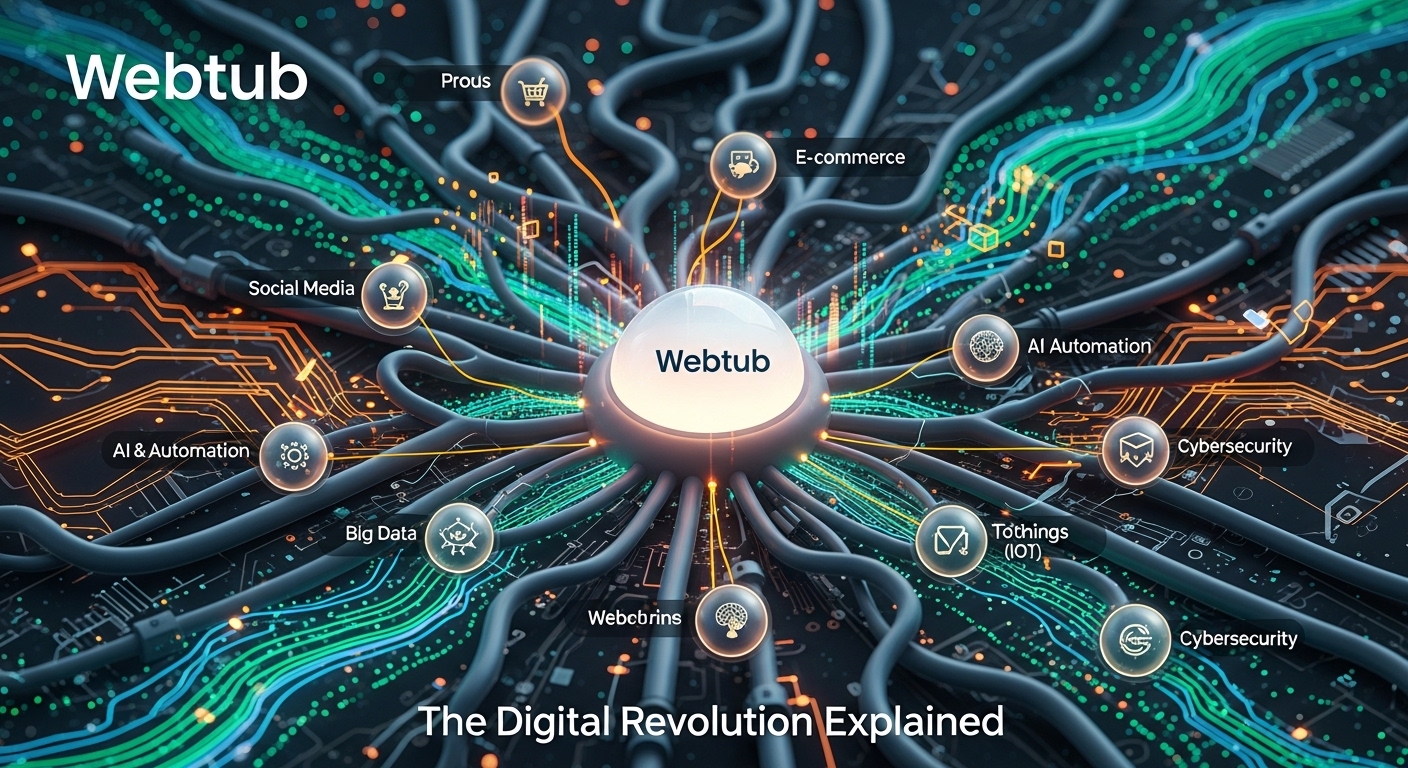
The internet is constantly evolving, and new digital concepts emerge to describe how people consume content online. Webtub is one of those modern terms often associated with the idea of a next-generation digital media ecosystem, blending web-based platforms with video-driven experiences.
While not a formally standardized technology, Webtub is commonly used to describe how online content, especially videos, is reshaping communication, entertainment, and digital marketing.
What Is Webtub?
Webtub can be understood as a conceptual term for web-based video platforms and digital content networks.
In simple terms:
👉 Web + Tube = Webtub
It represents the shift toward video-first internet experiences where users consume, create, and share content instantly.
The Idea Behind Webtub
Webtub reflects a broader digital trend:
- Moving from text-heavy websites → to video-centric platforms
- From static browsing → to interactive media experiences
- From traditional media → to user-generated content ecosystems
It symbolizes how platforms like streaming sites, social media apps, and video-sharing services are shaping the modern internet.
Key Features of the Webtub Concept
1. Video-Centric Content
At the heart of Webtub is video. This includes:
- Short-form videos
- Live streaming
- Educational tutorials
- Entertainment content
2. User-Generated Media
Webtub emphasizes content created by users rather than traditional media companies.
Examples include:
- Vlogs
- Reviews
- How-to videos
- Creative storytelling
3. Instant Accessibility
Content is designed to be:
- Quickly accessible
- Mobile-friendly
- On-demand
This supports modern user behavior where people prefer fast, visual information.
4. Interactive Engagement
Webtub-style platforms often allow:
- Likes and comments
- Sharing and reposting
- Live chats during streams
- Community-driven trends
How Webtub Represents a Digital Revolution
1. Changing How We Learn
Instead of reading long articles, users now prefer:
- Video tutorials
- Explainer clips
- Visual guides
This makes learning faster and more engaging.
2. Transforming Entertainment
Entertainment is no longer limited to TV or cinema. Webtub reflects:
- Streaming platforms
- Creator-driven content
- Short viral videos
3. Powering Digital Marketing
Businesses now use Webtub-style content to:
- Promote products through video ads
- Collaborate with influencers
- Build brand storytelling
4. Empowering Creators
Anyone with a smartphone can now become a creator:
- No traditional media gatekeepers
- Global audience reach
- Monetization opportunities
Advantages of Webtub-Like Platforms
- ✔ Easy content consumption
- ✔ High engagement rates
- ✔ Global accessibility
- ✔ Opportunities for creators
- ✔ Strong influence on digital trends
Challenges and Limitations
Despite its growth, the Webtub model also faces issues:
⚠ Content Overload
Millions of videos make it hard to find quality content.
⚠ Misinformation
Not all user-generated content is accurate or verified.
⚠ Algorithm Dependence
Visibility often depends on platform algorithms, not quality alone.
⚠ Privacy Concerns
Data collection and user tracking remain ongoing issues.
Webtub and the Future of the Internet
The future of Webtub-style ecosystems is expected to include:
- AI-generated video content
- Personalized content feeds
- Virtual and augmented reality integration
- More immersive live streaming experiences
- Stronger creator monetization tools
👉 The internet is steadily becoming more visual, interactive, and personalized.
Who Benefits from Webtub?
1. Users
- Faster learning
- Entertainment on demand
- Easy access to global content
2. Creators
- Income opportunities
- Large audience reach
- Creative freedom
3. Businesses
- Better marketing reach
- Higher engagement
- Stronger brand visibility
FAQ’s
1. What is Webtub?
Webtub is a concept representing the rise of video-based digital platforms and online content ecosystems.
2. Is Webtub a website or app?
Not necessarily. It is more of a conceptual term than a single platform.
3. Why is Webtub important?
It represents the shift toward video-first internet usage and digital communication.
4. How is Webtub different from traditional websites?
Traditional websites focus on text and static content, while Webtub emphasizes video and interaction.
5. Can businesses use Web tub concepts?
Yes, businesses use video content strategies inspired by this model for marketing and branding.
6. Is Web tub a trend or a technology?
It is more of a digital trend or concept than a specific technology.
7. What is the future of Web tub?
It will likely evolve with AI, VR, and more immersive video experiences.
Conclusion
Webtub represents the ongoing digital revolution in online content consumption, where video dominates communication, entertainment, and marketing. While not a formal platform, it reflects a powerful shift in how people interact with the internet—making digital experiences faster, more visual, and more engaging than ever before.