









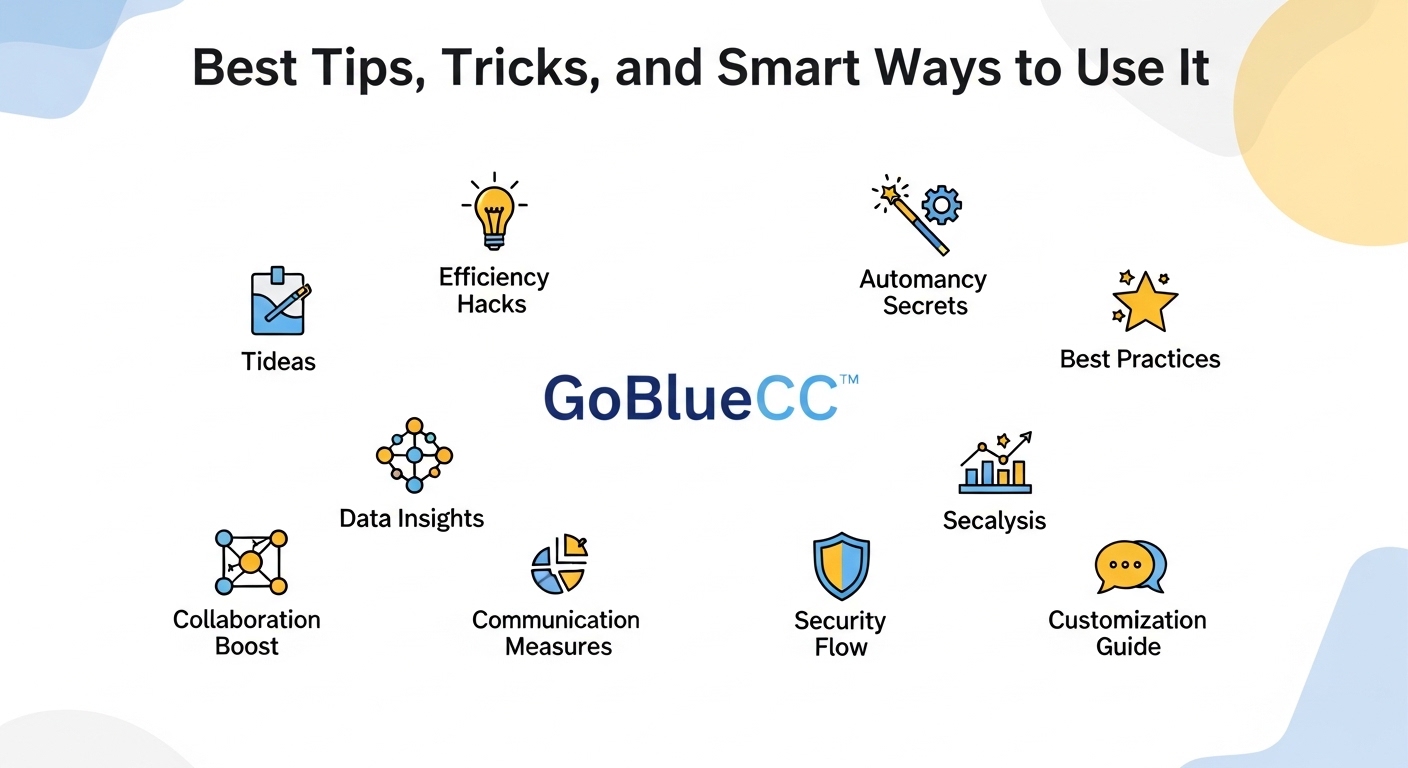
If you’ve landed on GoBlueCC, you’ve probably seen it’s less of a “content site” and more of a login gateway. The main GoBlueCC page is a sign-in screen with links to “Affiliates” and a mobile version. That matters, because the best way to “use GoBlueCC” isn’t about scrolling through features — it’s about logging in cleanly, avoiding account issues, and staying safe while you access sportsbook-style tools.
In this guide, you’ll learn practical, real-world ways to use GoBlueCC smarter — whether you’re a regular user trying to access your account, or an affiliate/agent managing players and activity. Along the way, I’ll share security best practices backed by authoritative sources, plus troubleshooting steps that usually fix login headaches fast.
What is GoBlueCC, exactly?
Based on publicly accessible pages, GoBlueCC appears to function as a sportsbook-related login hub, routing users to player and affiliate/agent entry points.
You’ll typically see:
- A GoBlueCC sign-in page that links out to affiliates and mobile.
- A SportsBook login interface associated with “gobluecc.com” branding.
- An affiliate/agent login page (“Agent site”) accessible from the Affiliates link.
- A separate login endpoint branded “Core Sports Login.”
Important note: I can’t see what’s behind the login, so I won’t guess internal features. But you can still use GoBlueCC confidently by focusing on the parts that cause the most friction (access, security, device hygiene, and responsible usage patterns).
Why “smart usage” matters on GoBlueCC
Login-gateway platforms tend to have three common pain points:
- People sign in from the wrong place (typosquats, bookmarks, old mobile pages).
- Sessions expire mid-task (especially on mobile).
- Credentials get reused — making accounts vulnerable to credential stuffing.
The “smart” approach is to reduce each of these risks with a few repeatable habits.
GoBlueCC login tips that prevent 80% of issues
Use the correct entry point every time
Start from the main GoBlueCC sign-in page, then follow the built-in links to Mobile or Affiliates as needed. This reduces the chance you’ll land on an outdated subdomain or a lookalike page.
Know which “lane” you’re in: Player vs. Agent/Affiliate
From what’s publicly visible, there are clearly different experiences:
- SportsBook (player-facing) login page
- Affiliate/Agent site login page
If you keep bouncing between them, you can end up thinking your password is “wrong” when you’re simply on the wrong portal.
If you use mobile, expect session timeouts
Mobile portals often time out aggressively. GoBlueCC’s mobile experience explicitly includes a “session end” flow.
Smart habit: if you’re about to do something lengthy (reviewing history, updating details, managing players), do it on desktop when possible.
GoBlueCC security best practices (do these even if you’re not “techy”)
If you only implement one upgrade, make it this: treat your GoBlueCC login like banking credentials. Here’s why: password reuse plus leaked credentials is the most common way accounts get taken over.
Use unique passwords (and a password manager)
NIST’s digital identity guidance notes that password managers increase the likelihood people choose stronger passwords, especially when generators are used.
Practical approach:
Use a password manager to generate a long, unique password for GoBlueCC. You don’t need to memorize it — just protect your master password.
Turn on multi-factor authentication if the platform offers it
MFA adds a second layer that makes stolen passwords far less useful. NIST explains MFA’s value and why passwords alone aren’t enough.
And OWASP’s credential stuffing guidance highlights analysis suggesting MFA could stop the overwhelming majority of account compromises (often cited as 99.9%).
If GoBlueCC doesn’t offer MFA, you can still reduce risk by making your password unique and monitoring for breach exposure.
Check whether your email has appeared in breaches
Have I Been Pwned lets you check whether an email address has been exposed in a data breach.
This doesn’t mean your GoBlueCC account is compromised — but it’s a strong signal to stop reusing passwords.
Avoid phishing (especially “support” messages)
Phishing tries to trick you into giving up passwords or account details. The FTC explains how phishing works and how to recognize it.
A simple rule: never log in from a link in an email/text. Instead, open your saved bookmark to the official page and sign in from there.
Smart ways to use GoBlueCC as an affiliate/agent
The affiliate/agent login page includes a line that reads: “Enter any username and password.” That’s unusual language for a normal authentication system, so the smartest move is to be extra careful about verification and access hygiene.
Protect your operational workflow
If you’re managing player activity (or anything financial), build a simple routine:
- Use a dedicated device/browser profile for GoBlueCC logins.
- Never save passwords in a shared browser.
- Log out when done (especially on shared networks).
- Keep screenshots/exports out of public cloud folders.
Keep access controlled
Even strong logins can be undermined by credential sharing. NIST notes that protecting authentication secrets includes not disclosing them (credential sharing).
If your team needs shared access, the safer pattern is:
- Individual logins per person (best)
- Or a shared credential stored in a password manager with audit/access controls (second best)
GoBlueCC troubleshooting: quick fixes that usually work
If you can’t log in (but you’re sure the credentials are right)
Try this order:
- Confirm the portal (SportsBook vs. Agent/Affiliate).
- Clear cookies for the GoBlueCC domain and try again (old sessions can break logins).
- Try private/incognito mode (isolates extensions and cached scripts).
- Switch networks (some corporate/VPN setups can block session scripts).
- Try desktop if mobile sessions keep ending.
If you’re repeatedly getting “session ended” on mobile
That’s usually caused by:
- Backgrounding the browser too long
- Weak mobile signal causing token refresh failures
- OS “battery saver” pausing background activity
Best workaround: stay active during critical steps, and avoid switching apps mid-session.
If “Forgot password” doesn’t work
At least one “forgot” endpoint appears to return an error/not found on a related login system.
If you encounter this, use official support contact details shown on the GoBlueCC page rather than random web results.
Responsible use: the most overlooked “smart tip”
If you’re using GoBlueCC in a sportsbook context, “smart usage” is also about setting guardrails — especially because online account systems make it frictionless to keep going.
A research summary hosted in CDC Stacks notes that problem gambling is estimated around 2–3% of the U.S. adult population, and highlights links between harmful gambling and serious outcomes.
If you want a practical, non-judgmental approach, follow established responsible gambling principles:
- The National Council on Problem Gambling provides responsible gambling resources and explains that the amount won/lost isn’t the sole indicator — impact on life is the key.
- Regulators like the UK Gambling Commission emphasize deposit limits and clearer consumer control tools.
GoBlueCC best practices checklist
Here’s a quick definition-style list you can follow immediately:
- Bookmark the official GoBlueCC login page and start there each time.
- Use the right portal (SportsBook vs. Agent/Affiliate).
- Use a unique password stored in a password manager.
- Enable MFA if available.
- Avoid email/text login links to reduce phishing risk.
- Prefer desktop for long tasks to reduce mobile session timeouts.
- Set personal limits and treat usage as entertainment, not income.
Conclusion: Use GoBlueCC smarter, safer, and with fewer headaches
The smartest way to use GoBlueCC is to treat it like what it appears to be: a login hub for sportsbook-style access, with separate entry points for mobile and affiliates/agents. Once you stop fighting the portal and start using a repeatable routine — official entry points, strong unique passwords, MFA where possible, and phishing awareness — you’ll avoid most of the common issues that frustrate users.